Packing for the Unknown: A Seasonal Prescription Readiness Routine for U.S. Households
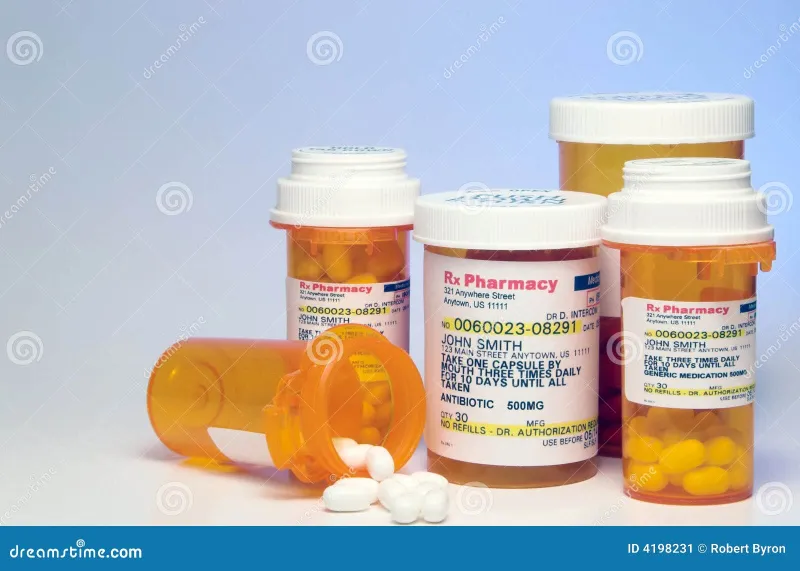
Photo: emergency medication kit with prescription bottles insulin cooling pouch and printed medication list on table, via sfast.ae
Emergency planning often focuses on water, documents, and a route out of the neighborhood. For households that manage prescriptions, the medication plan deserves the same attention. A storm, wildfire, or extended outage can interrupt refrigeration, close pharmacies, and make routine refills difficult for days. A small, well-organized prescription readiness kit does not prevent those disruptions, but it can make them more manageable.
The approach here is deliberately modest. This is not a recommendation to hoard medicines or to create an informal pharmacy in a closet. It is a seasonal routine for keeping a compact set of essentials, records, and instructions current enough to be useful when time is short.
Begin with the prescription list, not the bag
A useful kit starts as a document. Before choosing pouches or cooling products, assemble a current medication list for every person in the household. Include the drug name, strength, dosage form, directions, prescriber, pharmacy, and the prescription number if it is readily available. Note any allergies and any medicines that require refrigeration.
Keep one copy in the kit and one with the household's important documents. A paper copy matters because cell service and battery power may not cooperate. For people who use a medication management app, a printed backup is still worthwhile.
The list should also distinguish between medicines taken regularly and those used only when needed. An emergency kit is easier to verify when it is not crowded with items that have no clear purpose.
Temperature-sensitive medicines: plan for hours, not weeks
Insulin is the most familiar example, but some other injectable medicines and certain liquid products also have temperature requirements. Read the manufacturer's storage instructions and the pharmacy label rather than relying on memory. The goal is to protect the product during transport and a temporary outage, not to redesign its approved storage conditions.
For insulin, an insulated pouch with a cool pack can help during an evacuation, provided the product is not placed directly against a frozen pack. Extremes in either direction are the concern. In a power outage, a closed cooler with a thermometer can buy time, but households should know in advance what their prescriber or pharmacist recommends for the specific product.
Include a small thermometer in the kit if temperature-sensitive medicine is part of the routine. A thermometer turns guesswork into a check. It also helps the household decide when a product may have been exposed to conditions outside its labeled range and should be discussed with a pharmacist or prescriber.
Controlled substances: document, do not display
Households that include a controlled substance face a particular planning question. The medicine may be necessary, but it should not be left in open view or packed in a way that invites loss or theft. Keep the original labeled container, and carry a copy of the prescription or a current medication record that shows the prescriber and pharmacy.
Do not assume that an early refill will be available simply because an emergency has occurred. Rules vary, and pharmacies and insurers may need to verify the situation. A concise record makes that conversation easier. It also helps if the household must visit an unfamiliar pharmacy or urgent care site.
The kit itself should be stored securely and away from visitors. During an evacuation, controlled substances should remain with a responsible adult rather than being packed in a bag that may be handled by others. If a dose is lost or a supply is compromised, contact the prescriber or pharmacist promptly rather than borrowing or substituting.
Refill and coverage records that travel well
An emergency is a poor time to reconstruct insurance details from memory. Include the pharmacy name and phone number, the prescriber's contact information, and a copy of the most recent prescription insurance card. If the household uses mail-order prescriptions, note the plan's emergency or vacation supply procedures, if any, and the customer service number.
A refill history can be useful, but it should be compact. A one-page summary of current prescriptions is generally more practical than a thick stack of receipts. For each medicine, note the last fill date and the typical refill interval. This helps an unfamiliar pharmacist understand what is due and what has already been dispensed.
Households should also check whether their insurance plan has temporary out-of-network or emergency fill provisions. These are not guarantees. They are questions to ask before a crisis, when hold times are shorter and options are clearer.
The 30-minute seasonal rotation
Set a recurring time to review the kit, perhaps when clocks change or at the start of hurricane and wildfire seasons. The review need not be elaborate. Open the kit, check the medication list against the current bottles, confirm that contact information is current, and inspect temperature-sensitive supplies.
Replace expired items and remove medicines that are no longer prescribed. Check that the cooling pouch has not degraded and that the thermometer works. If the kit contains a small supply of over-the-counter items, keep that supply limited and clearly labeled. A kit that is too full becomes difficult to verify.
Rotation is also a chance to update the household plan. Who carries the kit? Where is it stored? If the household includes more than one person with prescriptions, are the records separated clearly? These questions take less time than a full medication review, but they prevent confusion later.
Packing for portability, not permanence
The kit should be small enough to carry and distinct enough to find quickly. A labeled pouch or small bag works for many households. Keep medicines in their original labeled containers when possible, because the label carries the drug name, strength, and directions. If space is tight, ask a pharmacist before transferring anything to a different container.
Place the medication list, insurance information, and prescriber contacts in a water-resistant sleeve. Include a small notepad or card for recording doses taken during a disruption. In an evacuation, routine can fray; a simple written record helps prevent duplicate doses and missed ones.
Finally, treat the kit as a supplement to, not a replacement for, the household's regular medicines. It should reflect current prescriptions and reasonable emergency planning. For questions about a specific product, storage condition, or emergency refill, the prescriber or pharmacist remains the appropriate source. The seasonal routine simply makes sure that when the order to leave arrives, the medication plan is already in hand.