The Instructions Between the Lines: Turning Deferential Prescription Labels Into a Workable Plan

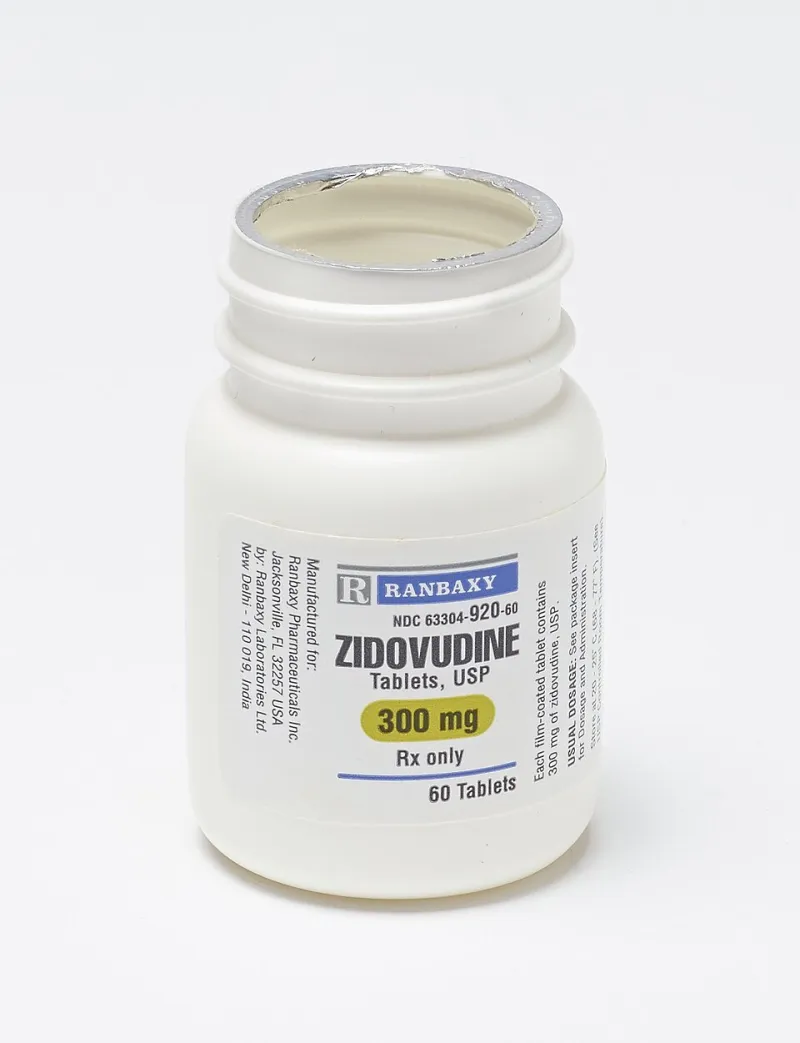
Photo: U.S. Navy NMRTC by Emily McCamy, Public domain, via Wikimedia Commons
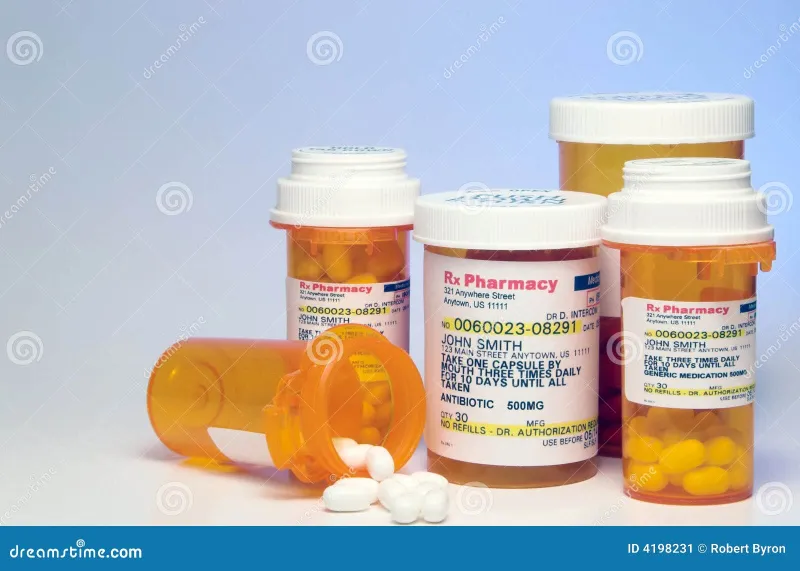
A prescription label can be legally complete and still be practically thin. The bottle may carry the right patient name, drug name, strength, and a warning, yet the instruction line reads 'use as directed' or 'take as needed.' For a patient standing at the kitchen counter, that is not a dose. It is a deferral.
In 2026, U.S. prescription labels are shaped by state pharmacy rules, prescriber software, and the physical limits of a small label. None of those systems guarantees that the directions will answer the questions a patient actually has. The safer approach is to treat the label as a starting point and build a written plan with the prescriber or pharmacist before the medicine is used at home.
Why a label can be technically correct but practically vague
Deferential wording often appears for legitimate reasons. A prescriber may intend for a medicine to be adjusted over time, used only when a symptom occurs, or applied to a specific area rather than at a fixed interval. Software defaults and label space can also produce shorthand. 'Use as directed' may refer to a separate instruction sheet, a taper schedule, or a dosing pack. 'As needed' may be appropriate for a pain medicine or an inhaler, but only if the patient knows what need means in practice.
The problem is not that every vague label is an error. The problem is that ambiguity travels poorly. A patient may remember a conversation from an exam room, a discharge packet may use different wording, and a refill bottle may carry a shorter instruction than the original. When the label does not state the dose, interval, and maximum, the patient is left to infer.
The questions a workable instruction should answer
A clear medication plan does not need to be elaborate. It does need to answer the questions that arise in ordinary use. For an oral medicine, those questions include the amount of each dose, how often it may be taken, the minimum spacing between doses, the maximum in 24 hours, whether food matters, and what to do about a missed dose. For a medicine used only when symptoms occur, the plan should name the symptom, the threshold for use, the interval, the daily limit, and when to call instead of taking another dose.
Topical products need their own details. 'Apply sparingly' does not tell a patient how much to use, how far to spread it, how often to reapply, or whether to cover the area. A prescriber or pharmacist can translate that into a practical amount, such as a fingertip unit for certain creams, along with the intended area and frequency. For medicines with variable dosing, such as a taper or a titration, the plan should be written as a schedule rather than left to memory.
Turning the label into a written plan
The first step is to bring the bottle, the discharge papers, and any current medication list to the conversation. Ask for the instruction in plain, specific terms and write it down in the patient's own words. If the label says 'as needed,' ask: As needed for what? How often at minimum? How many doses in a day? How long before I should call? If the label says 'use as directed,' ask for the exact amount and schedule, including any step-down or step-up plan.
A pharmacist can review the prescription, reconcile it with other medicines, and explain how to use it. If the label itself needs to change, the pharmacist may need to contact the prescriber; patients should not alter the directions on their own. In community pharmacy practice, counseling is a normal part of the fill, not an imposition. It is also reasonable to ask for the instructions in writing or through the pharmacy's patient portal when available.
What to document before the first dose
Before starting a medicine at home, record the generic and brand name, strength, form, and purpose. Write the exact directions as clarified, not as remembered. Include the start date, the prescriber and pharmacy, the maximum daily amount, and any food or timing instructions. Note the specific situations that call for the medicine if it is used intermittently. Add a short line for what to do if a dose is missed or if a symptom worsens.
Keep that record with the medication and update it after refills, dose changes, or hospital visits. If two sources disagree, such as a bottle and a discharge summary, call the prescriber or pharmacist before using the medicine. Do not infer a dose from an old prescription or from an online description of the drug.
The label is not a substitute for a conversation, and a vague phrase is not a permission slip to improvise. A short, specific written plan closes the gap between what the label says and what safe use requires. For U.S. patients in 2026, that gap is best closed before the first dose, not after a question arises.