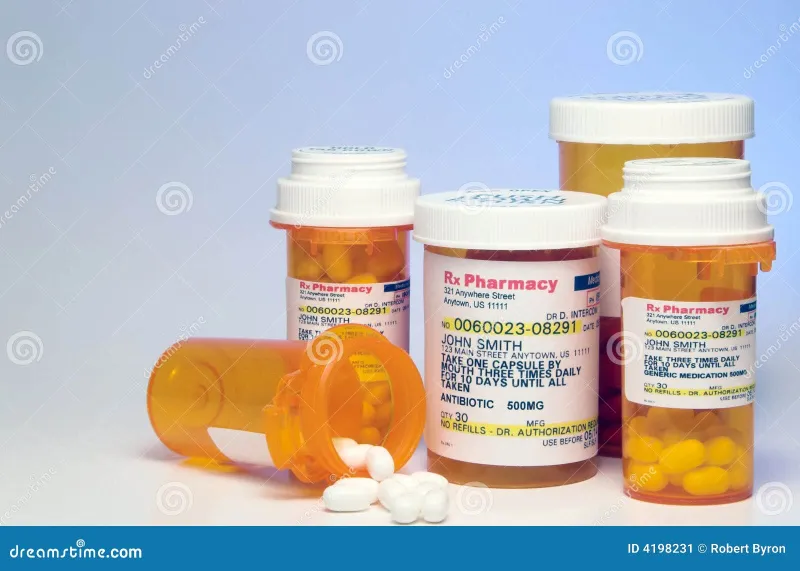
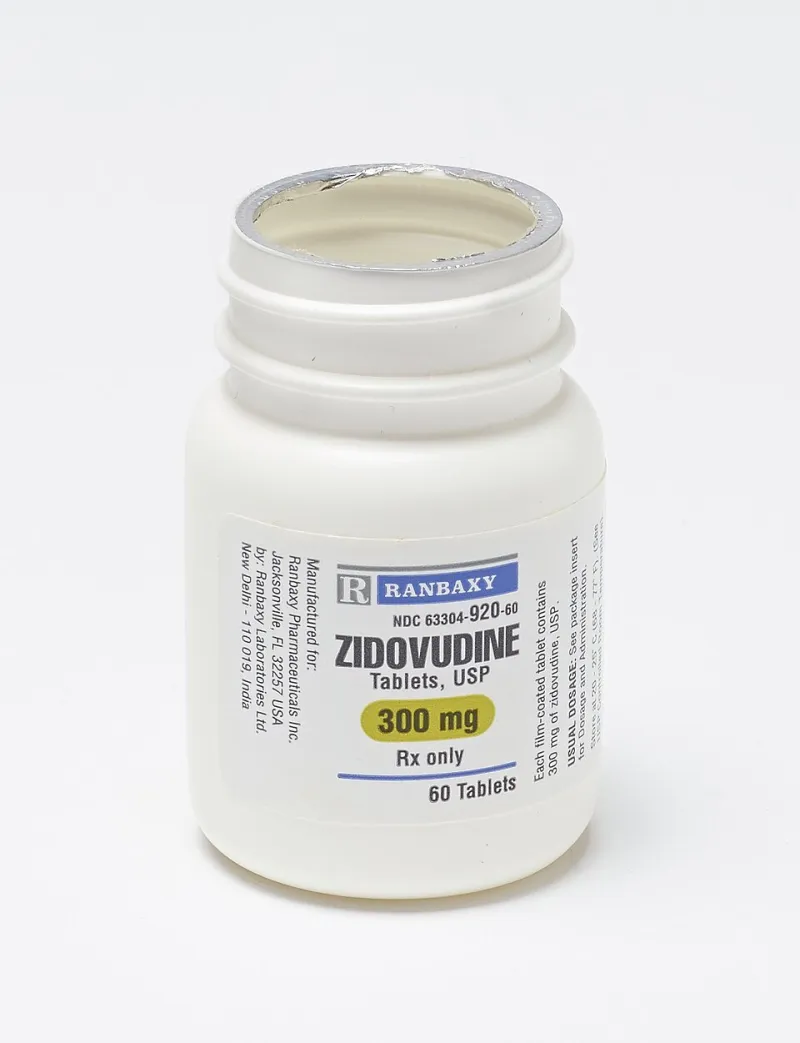
When the Factory Stops: A 2026 Roadmap for Patients Facing a Discontinued Drug

Photo: pharmacist discussing medication bottle with patient at pharmacy counter, via ajp.com.au
Discontinuation is rarely announced with a bullhorn. A pharmacy may simply run out; a refill may bounce; a label may change. For patients, the first useful step is to separate three different events that can look alike: a supply shortage, a safety recall, and a true discontinuation.
Shortage, Recall, or Exit: Naming the Event
A shortage means supply is constrained, but the product is still intended for the market. A recall is a safety action tied to a specific lot, batch, or product. A discontinuation means the manufacturer has stopped making or distributing the drug, often permanently. The distinction matters because the path forward differs. A recall may require returning a specific bottle and checking whether other lots are affected. A shortage may resolve, or it may require a temporary alternative. A discontinuation usually requires a planned transition.
Patients should begin with the pharmacy, not with rumor. Ask the pharmacist to check the exact National Drug Code on the bottle, the current dispensing status, and whether remaining stock is available at another location in the same chain. Then verify the signal through official channels. The U.S. Food and Drug Administration maintains a drug shortages database and separate recall notices. Manufacturer customer-service and medical-information lines can confirm whether a product has been discontinued and whether a transition period applies. DailyMed can help confirm label details, but it is not a live inventory system. Social media may report a problem early, but it is not a reliable status check.
Confirm the Status Before Changing Course
A true discontinuation notice often includes a reason, a last-ship date, and sometimes a suggested alternative. Not every notice is public, and not every pharmacy receives the same message on the same day. That is why patients should keep a short record: the drug name, strength, dosage form, NDC, last fill date, remaining refills, and the date and source of any discontinuation notice. This record makes conversations with prescribers, pharmacists, and insurers more concrete.
It is also important not to confuse a formulary removal with a manufacturing exit. An insurer may stop covering a drug while the manufacturer still makes it. Conversely, a manufacturer may stop making a drug while an insurer's formulary still lists it. The two events can occur together, but they are separate. Patients should ask both questions: Is the product still being manufactured, and is it still covered under my plan?
Take Stock of Remaining Supply
Once the status is clearer, count what is actually on hand. Check the current bottle, the remaining refills, the last fill date, and the expiration date. Do not stretch a dose, split tablets, or skip days without instructions from the prescriber. Some medicines can be stopped abruptly; others require a taper. The risk depends on the drug, the condition being treated, and the patient's history.
If supply is limited, ask the prescriber whether a bridge supply is appropriate while an alternative is arranged. Ask the pharmacist whether a different package size, manufacturer, or formulation of the same active ingredient is available. For some drugs, a tablet and a capsule are not interchangeable at the same dose, and a different salt or release mechanism may change absorption. The pharmacist can check product-specific details, but the prescriber should authorize any switch.
Build an Alternative Plan With the Prescriber
Alternatives fall into several categories: the same active ingredient from another manufacturer, a different strength or formulation, a different drug in the same class, or a non-drug approach. The right choice depends on why the medicine was prescribed, how well it has worked, what monitoring it requires, and whether the patient has allergies or kidney or liver concerns. A dose conversion is not always a simple arithmetic swap. Some drugs need blood tests, blood pressure checks, or symptom monitoring after a change.
Patients should ask three practical questions. First, what is the goal of this medicine, and how will we know the replacement is working? Second, what is the transition schedule, including any taper or overlap? Third, what symptoms or side effects should prompt a call? These questions turn a vague worry into a plan.
Compounding is sometimes suggested when a commercial product is unavailable. It is not automatically equivalent. A compounded preparation should come from a licensed pharmacy, with a prescription, and with clear instructions about strength, storage, and beyond-use dating. Patients should be cautious about online sellers that offer a discontinued drug without a prescription or without verifiable pharmacy licensure.
Handle Insurance and Formulary Changes Calmly
A discontinuation can trigger insurance changes even when a suitable alternative exists. The replacement may be on a different formulary tier, require prior authorization, or have quantity limits. Patients should ask the plan about a transition fill, a formulary exception, or an appeal. These processes take time, so early action matters. Keep copies of denial letters, call dates, reference numbers, and the names of representatives.
Manufacturer patient-assistance programs may also change when a product is discontinued. A program that helped with copays may not transfer to a new drug. Patients should ask whether assistance is available for the replacement and whether the prescriber's office can help with paperwork.
The most stressful gaps often come from late notice. Whenever possible, patients should start planning four to six weeks before the last refill. That window is not always available, but it is enough time to confirm the status, request a bridge supply, review alternatives, and test the insurance pathway. A discontinuation is a manufacturing event, not a reason to panic. With a verified status, a written supply plan, and a prescriber-led transition, U.S. patients can protect continuity of care without relying on guesswork.
This article is general information for U.S. readers and is not a substitute for advice from a licensed prescriber or pharmacist.