A Card That Answers First: Assembling a Compact Medication Record for Urgent Care
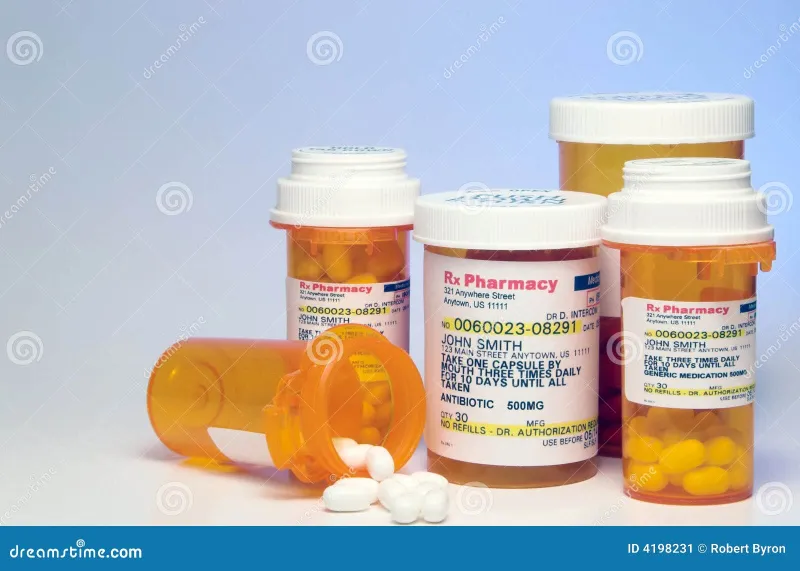
Photo: medication list card in wallet with pill bottles on table, close-up, natural light, via thumbs.dreamstime.com
Emergency medicine moves quickly, and it begins with questions. What do you take? How much? Any allergies? Why are you on that one? When a patient is unconscious, confused, or simply too unwell to recite a list, those questions land on whoever is nearby — a spouse, a neighbor, a paramedic holding a clipboard. A small card, folded into a wallet or tucked into a car's glove box, can answer most of them without anyone guessing.
The idea is not new. Pharmacies have printed medication lists for decades, and hospitals hand out discharge summaries with drug tables attached. What is often missing is a version short enough to carry and current enough to trust. This article covers how to build one, what to leave off, and how to keep it from quietly going stale.
Why paper still earns a place
A smartphone health record is useful until the screen locks. A paramedic, a bystander, or an intake clerk cannot open a device protected by a passcode, and a battery that died two hours ago is not a reference source. Paper has no login, no charger, and no learning curve. It can be read aloud over the phone by a caregiver who is not in the room.
That does not make the phone useless. Most devices allow a medical ID to be viewed from the lock screen, and a photograph of the card saved in a caregiver's favorites is a reasonable backup. The paper card is the primary copy because it works under the worst conditions, not because it is better in every condition.
The entries that carry weight
A card becomes useful when it tells a clinician three things at a glance: what is in the body, what the body reacts badly to, and who is managing the care. Everything else is supporting detail.
Each medication. List the generic name with the brand name in parentheses — "lisinopril (Zestril)" — since labels and conversations often use only one of the two. Follow it with the strength, the form, and the schedule as actually taken rather than as originally prescribed. A patient who splits a 20 mg tablet and takes half each morning is on 10 mg, and the card should say so.
A reason, in one or two words. "Blood pressure." "Clot prevention." "Seizures." "Cholesterol." This short annotation is what allows an emergency clinician to judge whether a drug on the list explains a symptom, or whether an interaction matters. A bare list of drug names forces guesswork; a list with reasons narrows the field.
Allergies, with the reaction. "Penicillin — hives" is actionable. "Penicillin" alone leaves a clinician weighing a vague history against a needed antibiotic. If the reaction was swelling or difficulty breathing, say that clearly.
Supplements and over-the-counter products used regularly. Fish oil, ginkgo, high-dose vitamin E, and St. John's wort all interact with prescription therapy in ways that matter in surgery and in bleeding risk. A card that lists only prescriptions tells half the story.
Key conditions. Kidney disease, diabetes, heart failure, a clotting disorder, pregnancy, an implanted device, or current use of a blood thinner belong on the card. So does anything that changes what can safely be given — an allergy to contrast dye, for instance, or a history of a severe drug reaction.
Contacts. The prescriber or prescribers who manage most of the regimen, the pharmacy with its phone number and address, and one emergency contact. Two or three prescriber names are usually enough; a card crowded with specialists becomes unreadable.
What does not belong on the card
The card should be clinical, not comprehensive. Social Security numbers, financial account numbers, and insurance member identification do not help a clinician stabilize a patient and do expose information if the wallet is lost. Insurance details live on the insurance card, which travels separately.
Long narrative histories are also a poor fit. A card that runs to four dense paragraphs will not be read in a crisis. Conditions that change emergency treatment belong on the card in a few words; the rest belongs in the chart.
One more omission worth naming: prices, plan details, and coupon information. A medication record is not a billing document, and mixing the two makes both harder to use.
Where the copies live
The card only works if it is somewhere a stranger would look.
- Wallet, directly behind the driver's license or identification. That is the first place a first responder checks for identity.
- Glove box. A second copy for the household vehicle covers the scenario where a wallet is left at home.
- A caregiver's phone case or wallet. This matters for a parent managing a child's medications or an adult child managing a parent's.
- A marked envelope on the refrigerator. Less portable, but it is the copy a visiting nurse or home aide will find.
Keep the wording identical across copies. Divergent versions of the same list invite exactly the confusion the card was meant to prevent.
The refresh rule
A medication record is only as good as its last update, and the most common failure is a card written once during a quiet week and never touched again. The simplest discipline is to tie the update to events rather than to the calendar. A new bottle, a dose change, a discontinued drug, a hospital discharge, or a new prescriber each triggers a revision.
Date the card in a corner. A card without a date is a rumor — a clinician cannot tell whether it reflects this month or this decade. When a new version is written, the old copies come out of the wallet, the glove box, and the phone case the same day.
Most pharmacy systems can print a current medication list on request, and that printout is a sensible starting point when rebuilding a card from scratch. Verify it against the bottles, though. Pharmacy records can carry drugs that were stopped but never removed, and they rarely capture over-the-counter products or supplements.
Points where the system slips
Duplicate entries for the same ingredient are common in households where two prescribers each added a product. Write the generic name for every entry and check for repeats. Handwriting is another frequent problem; type the card where possible. Illegible dosing information is worse than none, because it invites a confident misreading.
As-needed drugs deserve their own line with a maximum daily dose. "Ibuprofen 200 mg as needed" leaves open the question of how much has already been taken today.
Finally, tell the people around you that the card exists. A household member who knows it is behind the license will mention it at the ambulance. A card nobody knows about is a private document, not a safety tool.
The record does not replace a medical chart, and it is not a legal directive. It is a stopgap that buys time and prevents avoidable errors in the minutes before records are available — which is often exactly when the right answer matters most.