Two Bottles, One Ingredient: A Household Audit for Acetaminophen Combinations
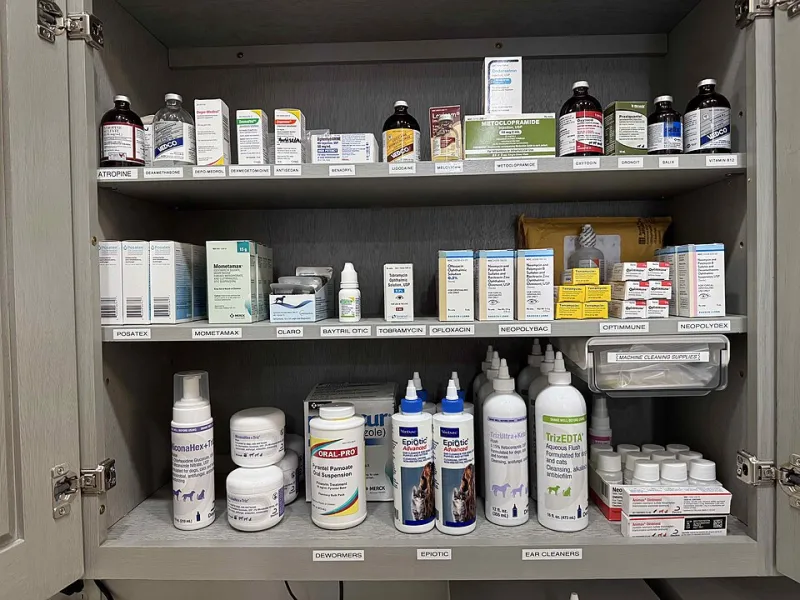
Photo: Veterinarian Pet Alliance, CC BY 4.0, via Wikimedia Commons
A phrase such as "maximum strength" sounds like a guarantee. On an over-the-counter (OTC) drug label, however, it is a marketing description rather than a standardized dose. The number that matters is printed in a less prominent place: the active ingredients section of the Drug Facts panel. For acetaminophen, that number can add up quickly when a pain reliever, a cold-and-flu formula, and a nighttime product are used in the same household on the same day.
Acetaminophen is one of the most common active ingredients in U.S. medicine cabinets. It is sold as a stand-alone pain and fever reducer and is also blended into multi-symptom cold products, sinus formulas, headache powders, and some prescription pain medicines. The risk is not that any one product is unusual. The risk is repetition: the same ingredient appears under different brand names and in different package designs, and a person may not realize that two products are doing the same job.
Why 'Maximum Strength' Is Not a Dose
A regular-strength acetaminophen tablet commonly contains 325 mg. An extra-strength product commonly contains 500 mg per tablet or caplet. Extended-release versions may contain 650 mg per unit and are designed to be taken less often. The phrase "maximum strength" usually signals the higher end of a manufacturer's line, but it does not tell a reader how many units to take, how often to take them, or what the total daily limit is.
Those details belong to the Directions and Warnings sections of the label. For many adult OTC acetaminophen products in the United States, the labeled maximum is 4,000 mg in 24 hours. Some products carry a lower daily maximum, and prescription combination products may have different limits. A household should never assume that the highest number seen on one package applies to every product in the cabinet.
The Drug Facts Panel Is the Source of Truth
The front of a package is designed to sell the product. The Drug Facts panel is designed to inform the user. Start with the heading "Active ingredients." Look for the word "acetaminophen" and the strength listed beside it. Then read the "Purpose" line, which may say "pain reliever/fever reducer" or "pain reliever/fever reducer and cough suppressant." A cold formula that lists acetaminophen is not merely a cough syrup; it is also a pain and fever product.
Next, read "Directions" for the dose and interval. Read "Warnings" for the liver warning, the alcohol warning, and any instruction about consulting a doctor before use. Finally, look for a statement that tells users not to take the product with other medicines containing acetaminophen. That sentence is easy to skip, but it is the practical heart of the label.
Where Acetaminophen Hides in a U.S. Cabinet
Acetaminophen can appear in several product types that do not look alike on the shelf:
- Stand-alone pain and fever relievers, including store brands and national brands.
- Multi-symptom cold and flu liquids, tablets, and caplets.
- Sinus and headache formulas.
- Nighttime or "PM" products that combine a pain reliever with a sleep aid.
- Prescription opioid combinations, where the abbreviation "APAP" may appear on the pharmacy label.
- Children's liquid products, which often use different concentrations and require weight-based dosing.
A household audit should include prescription bottles as well as OTC packages. A pharmacy label may list "hydrocodone/acetaminophen" or "oxycodone/acetaminophen," and the acetaminophen amount is part of the total exposure. Patients should not add an OTC acetaminophen product to a prescription combination without asking a pharmacist or prescriber.
A Fifteen-Minute Household Audit
A practical routine does not require special equipment. Set aside a few minutes, clear a table, and bring every product that might contain acetaminophen. For each one, write down the product name, the acetaminophen strength per unit, the labeled dose, and the labeled maximum in 24 hours. Keep the list with the medicines or photograph it for a phone note.
Then separate the products that contain acetaminophen from those that do not. A small basket or labeled bin can hold the acetaminophen-containing items together, making it easier to see how many are in use. If two products in the same basket serve overlapping purposes, decide which one is needed for the current illness and set the other aside. The goal is not to discard useful medicines; it is to prevent an accidental double dose.
The Time Window Matters
Acetaminophen labels are built around a 24-hour period, not a calendar day that ends at midnight. If a person takes a dose at 10 p.m. and another at 6 a.m., both belong to the same rolling window. Combination products may also carry different dosing intervals, which can make the timing harder to track. A written log, a phone alarm, or a simple paper checklist can prevent the common error of taking an extra dose because the first one was forgotten.
If a dose is missed, the label directions should guide the next step. Doubling a dose to catch up is not a safe way to manage a missed dose.
Special Populations and Extra Caution
Children should receive acetaminophen products formulated for their age and weight, using the dosing device supplied with the product. Household spoons are not reliable measures. Pregnant people, older adults, and people with liver disease or a history of heavy alcohol use should ask a clinician before combining products. Anyone who is unsure whether a product contains acetaminophen should ask a pharmacist rather than guess.
When to Ask Before Combining
A pharmacist can compare active ingredients across a basket of products in minutes. That conversation is especially useful during cold and flu season, when a household may be using a fever reducer, a cough formula, and a nighttime product at the same time. The safe default is simple: use one acetaminophen-containing product at a time unless a clinician or pharmacist has reviewed the combination.
If someone has taken more acetaminophen than the label directs, or if a child has accessed a product, contact Poison Control at 1-800-222-1222 or seek emergency care. Do not wait for symptoms to decide whether the amount was too high.
The label math behind combination products is not complicated, but it is easy to overlook. Maximum strength on the front of a box does not erase the need to add up the active ingredient across every product in use. A short audit, a written list, and a habit of reading the Drug Facts panel can keep the same ingredient from arriving twice.