The Cabinet Is Not a Pharmacy: Retiring the 'Just in Case' Antibiotic Habit

Photo: leftover prescription antibiotic bottle in medicine cabinet with pharmacy take-back envelope, US home, via i.ytimg.com
Every cold-and-flu season, the same quiet calculation happens in kitchens and bathrooms across the United States: a sore throat appears, a cough lingers, and someone remembers a half-used bottle of antibiotics in the medicine cabinet. The thought is understandable. The bottle is already paid for, the label is familiar, and the next doctor visit may feel inconvenient. But a leftover antibiotic is not a winter backup. It is a prescription with a specific purpose, a specific person, and a specific date attached to it. Treating it as a just-in-case supply can turn a minor inconvenience into a real medication-safety problem.
A Viral Cold Does Not Respond to a Bacterial Drug
Most winter respiratory illnesses are caused by viruses. Colds, influenza, and the majority of sore throats and bronchitis cases do not improve because of an antibiotic. Antibiotics target bacteria, and they do nothing for a viral infection except add the possibility of side effects. When a person reaches for a leftover antibiotic at the first sign of a sniffle, the drug cannot treat the cause of the illness. It can, however, cause nausea, diarrhea, rash, or a more serious reaction. It can also complicate the picture if the person later develops a bacterial infection and needs a carefully chosen treatment.
The winter impulse is especially strong because symptoms overlap. A cough, congestion, and fatigue can feel the same whether the cause is viral or bacterial. That is one reason a current evaluation matters. A clinician can consider the duration and pattern of symptoms, examine the patient, and order testing when appropriate. A bottle from last February cannot perform that assessment.
The Real Risks of Self-Prescribing From the Shelf
Using a leftover antibiotic without a current prescription is a form of self-prescribing, and it carries several practical risks.
- The drug may not match the illness. Different antibiotics cover different bacteria. A leftover drug chosen for a previous urinary tract infection is not a sensible choice for a sinus infection, and it may be entirely inactive against the bacteria causing a current problem.
- The dose and duration may be wrong. Prescriptions are written for a particular infection, patient weight, kidney function, and clinical situation. Reusing an old label ignores all of those variables.
- Allergies and interactions still apply. A person can develop a new allergy at any time. Leftover antibiotics can also interact with other prescriptions, over-the-counter products, and supplements.
- Antibiotic resistance is not abstract. Taking antibiotics when they are not needed, or taking them in inappropriate amounts, gives bacteria more opportunities to survive and adapt. That makes future infections harder to treat for everyone.
- A serious problem can be delayed. A lingering illness that is treated with a random leftover may hide a worsening bacterial infection or another condition that needs timely care. C. difficile infection, for example, is a serious diarrheal illness associated with antibiotic use and can follow even a short course.
Sharing Is Not Generosity
Offering a leftover antibiotic to a family member or friend may feel helpful, but a prescription is personal. The person receiving it may have an allergy, a pregnancy, a kidney condition, or a medication interaction that the sharer does not know about. The dose may be too high or too low. The infection may not be bacterial at all. Sharing prescription medication is not a casual favor; it is a way to bypass the checks that make treatment safer.
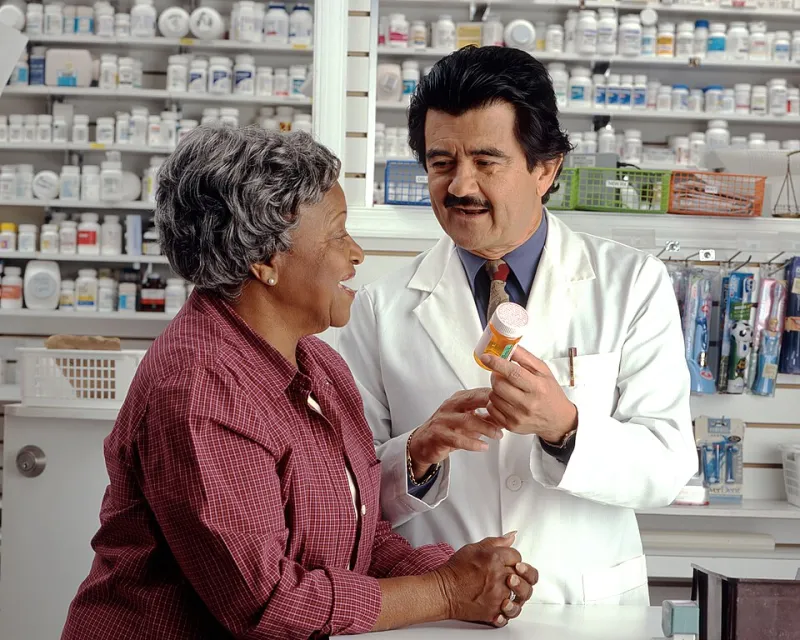
The same logic applies to accepting a leftover from someone else. A familiar drug name does not make an unfamiliar prescription safe. If symptoms are concerning, the better path is a call to a clinician, a pharmacist, or a telehealth service that can assess the situation and recommend appropriate care.
What to Ask When an Antibiotic Is Offered
When a prescriber offers an antibiotic, a few direct questions can make the decision clearer. These questions are not a challenge to the clinician. They are part of informed use.
- What diagnosis are we treating? Ask whether the infection is confirmed or suspected to be bacterial, and whether testing would change the plan.
- Is an antibiotic necessary now, or is watchful waiting reasonable? Some conditions improve without antibiotics, and some require treatment. The answer depends on the specific case.
- How long should I take it, and what should I do if I miss a dose? Follow the instructions on the prescription label and ask the pharmacist if the directions are unclear. Do not double a dose to catch up unless a clinician or pharmacist tells you to.
- What side effects should prompt a call? Ask about severe diarrhea, rash, trouble breathing, or other warning signs that require urgent attention.
- What should I do with any remaining doses? The answer should be disposal, not storage for later. A prescriber or pharmacist can point to a take-back option.
The 'I'll Save the Rest' Impulse, Interrupted
The decision to save leftover antibiotics often happens at the end of a course. The person starts feeling better, misses a dose or two, and then wonders whether to keep the remainder for the next illness. The safer routine is to take the antibiotic exactly as prescribed unless the prescriber says to stop. If side effects make it hard to continue, call the prescriber or pharmacist rather than improvising. If the course is complete, the leftover bottle should leave the home through a proper disposal route.
It helps to remove the decision from the moment of illness. Label a calendar reminder for the end of the course. Keep the bottle in its original container until disposal so the label can be read if a question arises. Do not move leftover antibiotics into an unlabeled pill organizer or a travel bottle. Once the course is over, treat the remaining medication as waste, not as a reserve.
Disposal That Matches U.S. Rules
In the United States, the safest disposal options are drug take-back programs and authorized collection sites. The Drug Enforcement Administration coordinates National Prescription Drug Take Back Day events, and many local police departments, pharmacies, and hospitals offer year-round collection. Some pharmacies provide mail-back envelopes for certain medications. A pharmacist can explain what is accepted locally.
If a take-back option is not immediately available, check the prescription label or accompanying information for flushing instructions. Most medications should not be flushed, but a small number are specifically recommended for flushing because of immediate safety risks. When flushing is not advised, the usual household approach is to mix the medication with an undesirable substance such as used coffee grounds or cat litter, place it in a sealed bag or container, and put it in the household trash. Remove or obscure personal information from the label before disposal. Keep all medications out of reach of children and pets until they are secured.
A Better Winter Backup Plan
A medicine cabinet should not function as a small pharmacy. A better winter plan includes knowing which symptoms warrant a call, keeping a current list of medications and allergies, and asking a pharmacist about safe over-the-counter options for fever, congestion, and cough. Vaccination, hand hygiene, and staying home when ill remain practical tools for the season. If a bacterial infection is diagnosed, the right antibiotic, used exactly as prescribed and disposed of properly afterward, is the safer choice. The leftover bottle is not a shortcut. It is a reason to pause, ask, and use the systems that exist for safe medication care.