Before the Counter Conversation: Assembling a Medication Review That Actually Works in 2026
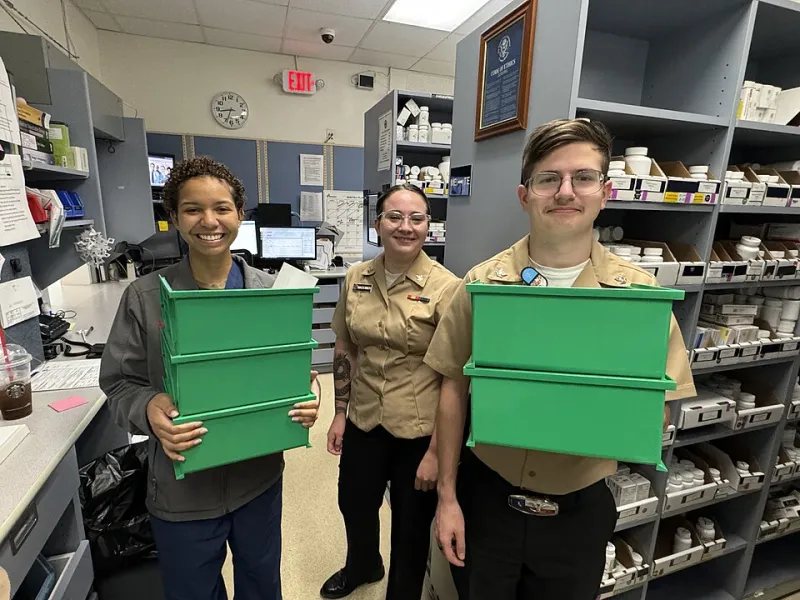
Photo: U.S. Navy NMRTC by Emily McCamy, Public domain, via Wikimedia Commons
The Counter Is a Starting Point, Not a Full Review
For many U.S. patients, the only conversation with a pharmacist happens in the few minutes before a bag is handed across the counter. That exchange is useful for confirming a copay, explaining a new side effect, or checking whether a refill is ready. It is not designed to reconcile an entire medication regimen. A real review requires context: what the patient takes, why, at what dose, and whether any directions have drifted over time.
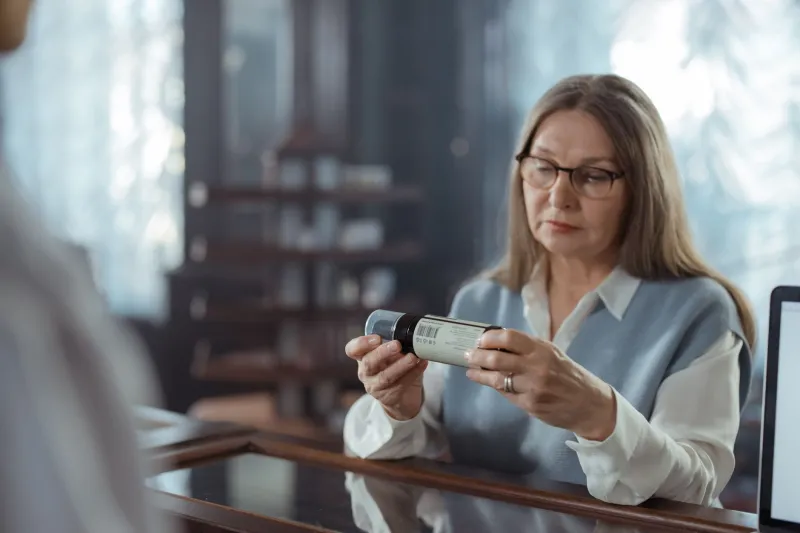
The brown-bag review remains a practical model. The idea is simple: place every prescription bottle, over-the-counter product, supplement, topical, inhaler, and dosing tool into one bag and bring it to a pharmacist. In 2026, the concept deserves a refresh. A productive review is less about carrying a heavy bag and more about preparing a clear, current record that a pharmacist can use efficiently.
Gather More Than Prescription Bottles
A medication review should include products that patients often omit because they do not consider them medicines. The bag or list should account for:
- Prescription tablets, capsules, liquids, patches, creams, and injectables.
- Over-the-counter pain relievers, cold and allergy products, antacids, laxatives, and sleep aids.
- Vitamins, minerals, herbal products, probiotics, and sports or weight-management supplements.
- Eye drops, ear drops, nasal sprays, inhalers, and injectable devices.
- Samples received from a clinician and products borrowed from family members.
- Dosing cups, syringes, spoons, pen needles, and glucose supplies that affect how a medicine is measured or used.
Expired products should be set aside rather than mixed into the review bag. The U.S. Food and Drug Administration provides guidance on disposal, and many pharmacies offer take-back options. A clean separation prevents an old label from being mistaken for a current instruction.
Build a One-Page Medication List
Bottles are helpful, but labels can be worn, and multiple prescribers may have issued overlapping instructions. A one-page list gives the pharmacist a faster view. Include the product name, strength, dose, how often it is taken, the reason it was prescribed, and the prescriber. Note any medicines taken only as needed. Add allergies, unwanted effects, and whether the patient uses a pill organizer, reminder app, or caregiver support.
For products without a prescription label, record the full product name and dose from the package. Supplements are not standardized in the same way as prescription drugs, so the exact brand and amount matter. If a patient uses a pharmacy app or patient portal, printing the current medication list can save time, but it should be checked against what is actually being taken.
A Printable Question List for the Visit
Questions should be specific enough to produce a practical answer. Readers can print or copy this list before the appointment:
- Are any of these medicines duplicating the same active ingredient or therapeutic purpose?
- Do any prescriptions, OTC products, or supplements interact with one another?
- Are the directions on each label still clear, and do they match how I actually take the product?
- Which medicines should be taken with food, without food, or at a particular time of day?
- Are any products on this list no longer needed, and who should decide whether to stop them?
- Do any medicines affect driving, balance, blood pressure, blood sugar, or sleep?
- Is there a simpler schedule or packaging option that could reduce missed doses?
- Which side effects should prompt a call to a prescriber rather than a wait-and-see approach?
- Are any products difficult to measure, inject, or inhale, and can technique be reviewed?
- What should be done if a dose is missed or a refill is delayed?
The list is not a substitute for clinical advice. It is a framework for using the pharmacist's time well and for identifying issues that may need follow-up with a prescriber.
Scheduling Within Real Pharmacy Workflows
U.S. pharmacy teams balance immunizations, prescription dispensing, insurance questions, and patient counseling. A comprehensive medication review may not fit into a walk-up visit during a busy Monday evening. Patients should call ahead and ask whether the pharmacy offers scheduled medication reviews, appointments, or a quieter time of day. Some pharmacies provide medication synchronization or adherence packaging services; others participate in medication therapy management programs. Patients with Medicare Part D may be eligible for a comprehensive medication review through their plan, though eligibility and delivery vary.
A short review can often be handled at the counter if the list is organized and the questions are focused. A longer review involving many products, recent hospital discharge, or memory concerns may require a scheduled appointment or a referral to a pharmacist-led service. Bringing a caregiver is appropriate when hearing, cognition, language, or transportation barriers affect the conversation.
During and After the Review
During the visit, patients should ask the pharmacist to mark the list with any changes: products to stop, doses to confirm, and questions for the prescriber. If a label is ambiguous, request a plain-language explanation rather than relying on memory. At the end, ask for an updated written list or confirm that the pharmacy record reflects what is actually being taken.
Afterward, one person should own the updated list and store it with insurance cards, prescriber contacts, and advance care documents. A copy on the refrigerator or in a phone photo album can help in an emergency. The value of a medication review is not the bag itself. It is the reconciliation that follows: fewer duplicates, clearer directions, and a shared record that travels with the patient.