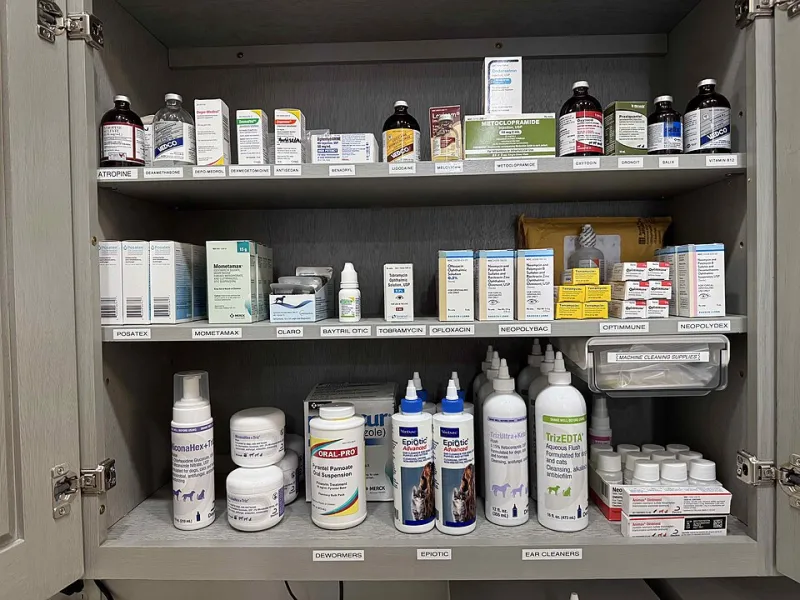
Hard Stops and Soft Estimates: A 2026 Household Framework for Expired Medicines
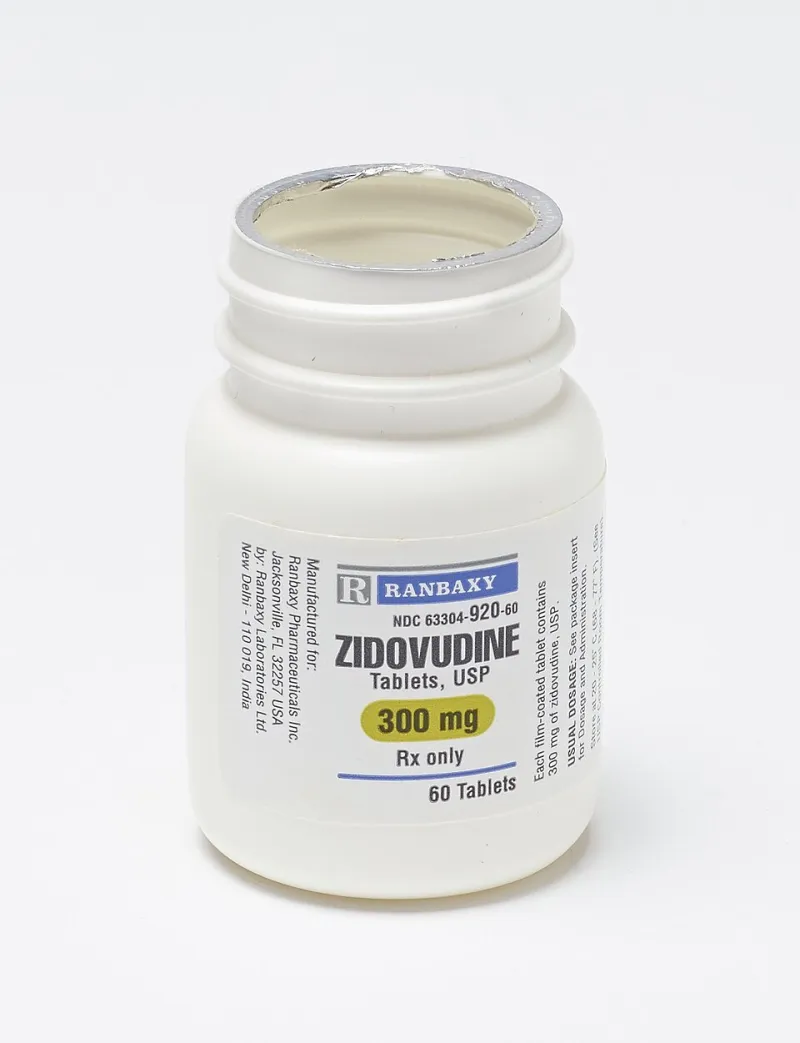
Photo: Ranbaxy (Pharmaceutical company), Public domain, via Wikimedia Commons
Most U.S. households have a shelf, drawer, or cabinet where old prescriptions accumulate. The date printed on each package looks like a countdown, but medication expiration is not a single uniform rule. For some products, the printed month is a hard stop. For others, it is a conservative estimate of guaranteed potency and quality. Treating every date the same can lead to two opposite mistakes: discarding usable medicine or, far more concerning, stretching a product that should have been replaced.
What the printed date actually represents
In the United States, human drug labels generally carry an expiration date supported by manufacturer stability testing. That date describes the period during which the product is expected to meet its labeled specifications when stored as directed. It is not a promise that the medicine becomes dangerous the following morning, nor is it permission to use a product indefinitely. It is a boundary established for quality, potency, and, in some formulations, sterility.
The key point is that the boundary carries different weight for different dosage forms. A sealed bottle of tablets and a bottle of liquid antibiotic do not share the same risk profile. Neither does an epinephrine auto-injector and a tube of ointment. A practical household framework begins by asking what kind of product is in hand and what happens if it is weaker, degraded, or contaminated.
The hard stops: products that should not be stretched
Some medicines belong in a replace-first category. These are products where an expired date, or a date combined with poor storage, can translate into a meaningful safety or effectiveness problem.
Liquid antibiotics
Liquid antibiotics are a classic hard stop. Many require refrigeration, have a short beyond-use date once reconstituted, and are prescribed for a specific course. They should not be saved for a later illness or used after the labeled discard period. A antibiotic that has lost potency or developed contamination is not a reasonable substitute for a fresh prescription. If a course is unfinished because of a dosing problem, the right move is to contact the prescriber or pharmacist, not to dip into an old bottle.
Insulin
Insulin is sensitive to temperature and time. Expired insulin may have reduced potency, and insulin that has been overheated, frozen, or left in a hot vehicle may degrade even before the printed date. Patients who rely on insulin should follow the manufacturer's storage instructions, rotate supplies, and replace expired pens or vials rather than stretching them. A backup supply is reasonable only when it is managed and rotated; a forgotten reserve is not a safety net.
Epinephrine auto-injectors
Epinephrine auto-injectors are emergency medicines, and emergency medicines deserve hard stops. An expired auto-injector may not deliver reliable epinephrine. Households with a prescribed auto-injector should note the expiration date, replace it before it lapses, and keep it accessible. If an allergic emergency occurs and the only device is expired, the priority is emergency care. Do not treat an expired device as a planned substitute for a current prescription.
Eye drops
Eye drops carry a sterility concern. Multi-dose bottles generally should be discarded according to the label, often 28 days after opening unless the product states otherwise. Single-use vials should be used once and discarded. An expired or discolored eye drop should not go into an eye. The same caution applies to any product that looks cloudy, has particles, or has changed color.
The soft estimates: where judgment is possible, not unlimited
Solid tablets and capsules often sit in a different category. Many are stable for long periods when kept dry and at reasonable temperatures, and the printed date may be conservative. That does not mean every old tablet is fine. Storage matters. A bathroom cabinet that swings between humid and hot is a poor pharmacy. A tablet that is crumbly, discolored, stuck together, or smells unusual should be discarded regardless of the date.
For noncritical medicines, an expired solid product may be a conversation with a pharmacist rather than an automatic crisis. For critical medicines, the calculation changes. Drugs for seizures, heart conditions, diabetes, severe allergies, blood clots, transplant rejection, HIV, or cancer should not be stretched past their labeled date without professional guidance. The consequence of a weaker dose is too high to treat the date as a suggestion.
A practical decision tree for U.S. households
-
Identify the product. If it is a liquid antibiotic, insulin, epinephrine auto-injector, or eye drop, treat the date as a hard stop and replace it through the proper channel.
-
Check storage history. Was it kept in a hot car, a steamy bathroom, or a freezer? Heat, moisture, and freezing can undermine a product before the printed date.
-
Inspect the medicine. Look for color changes, cloudiness, particles, leakage, crumbling, or an unusual odor. Do not rely on appearance alone, but do not ignore obvious change.
-
Consider the condition being treated. A expired tablet for a mild, short-term symptom is different from an expired rescue medicine or daily therapy for a serious condition.
-
Ask a pharmacist when uncertain. Bring the bottle or a photo of the label. A pharmacist can discuss the product, the date, and whether replacement is the safer choice.
-
Dispose safely. Use a DEA take-back site, a pharmacy kiosk, or a household disposal method recommended by the FDA. Do not flush medicines unless the label or official instructions say to do so.
Why stockpiling undermines the whole exercise
Stockpiling feels prudent, but it often produces a cabinet full of products with staggered dates and no clear rotation. The result is confusion, waste, and the temptation to stretch an old product during a shortage or a busy week. A better approach is to refill on a predictable schedule, rotate what is kept, and mark the date on the calendar when a critical prescription needs replacement. Do not skip refills to build a reserve, and do not use an expired emergency medicine as a first-line plan.
A 2026 routine that takes twenty minutes
Twice a year, empty the household medicine area and sort products into three piles: keep, replace, and dispose. Check the hard-stop products first. Set a reminder thirty days before an epinephrine or insulin expiration. Keep liquid antibiotics out of the long-term cabinet entirely. Store medicines in a dry, room-temperature location away from the kitchen stove and bathroom humidity.
At Drugs.site, the guiding principle is simple: the expiration date is a clue about quality, not a countdown to panic and not a license to stretch. Hard stops deserve replacement. Soft estimates deserve judgment. Critical medicines deserve neither guesswork nor delay.