A Different Hue in the Bottle: Verifying a Generic Refill That Changed Shape or Color
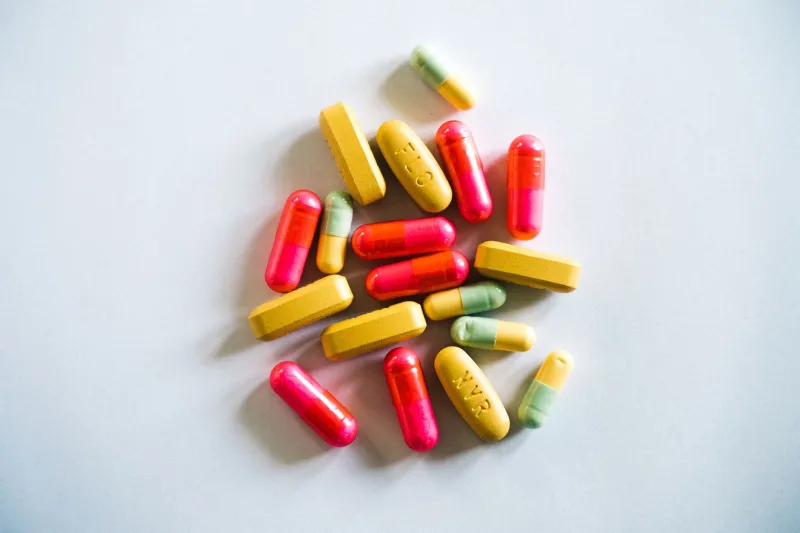
The Refill That Looks Wrong
You open the pharmacy bag and the pill is oval instead of round, blue instead of white, or stamped with an unfamiliar number. The label has the same drug name and strength, but the contents look like a stranger. It is reasonable to pause. It is also reasonable to ask questions before taking it. A changed appearance can be completely ordinary, but it should be verified rather than assumed.
Generic medicines can differ in color, shape, size, imprint, and inactive ingredients from one manufacturer to another. The FDA requires a generic to have the same active ingredient, strength, dosage form, route of administration, and therapeutic equivalence as the brand-name product it copies. It does not require the pills to look identical. Pharmacies switch suppliers for many reasons, including contracts, backorders, and manufacturer changes. That is why a familiar medicine can arrive in an unfamiliar form.
Why the Pill Can Change Appearance
Different manufacturers use different presses, dyes, fillers, binders, and coatings. Those inactive ingredients usually do not change how the active drug works, but they can affect appearance and sometimes tolerability. A patient with a dye allergy or a sensitivity to a specific filler should tell the pharmacist. The change may also involve the package size, the bottle, or the labeler rather than the pill itself.
A more serious possibility is a change in dosage form or release mechanism. An extended-release tablet is not interchangeable with an immediate-release tablet just because the labels share a drug name. A capsule is not the same as a tablet. A new manufacturer's product should still match the prescription's strength and form. If the label directions or the dosage form look different, stop and call the pharmacy before taking a dose.
Check the Label Before You Check the Pill
Start with the bottle label, not an internet image. Confirm your name, the drug name, the strength, the dosage form, the directions, the quantity, the refill number, the pharmacy, and the fill date. Compare those details with your previous bottle if you still have it. If the drug name, strength, or directions differ, do not take the medicine. Call the pharmacist and ask for clarification.
Next, look at the pill itself. Note the imprint, shape, color, and any scoring. If the imprint is missing, unreadable, or looks worn away, ask the pharmacist to verify the product. Do not use a pill identifier as the only proof that a tablet is correct. Pill identifiers are useful question-forming tools. They are not a substitute for the pharmacy's prescription record.
Use a Pill Identifier Carefully
A pill identifier can help you compare an imprint and color with a database, but it can return several matches. Similar imprints exist, and lighting in a photo can distort color. Enter the imprint exactly as it appears, then review the possible matches with caution. If the tool returns no match, do not take the pill. If it returns a match that does not match your label, call the pharmacist. Bring the bottle and the pill to the pharmacy if you need in-person verification.
Call the Pharmacist With Specific Questions
Ask whether the manufacturer changed. Ask whether the new product is the same drug, strength, and dosage form as the prescription. Ask the pharmacist to verify the imprint and the NDC. If you have a known allergy to a dye or inactive ingredient, say so. If the new pill is harder to swallow or split, ask about alternatives. Keep the old bottle for comparison until the new refill is verified.
In 2026, generic switching remains common, and a pharmacist may be able to explain the change in a few minutes. A short call is a reasonable safety step. It is also reasonable to ask the pharmacist to note the manufacturer change in your profile so the next refill is less confusing.
Red Flags That Mean Stop and Seek Help
Do not assume a new generic is fine if the label name, strength, or directions differ from your prescription. Do not take a pill that has no imprint, an unusual odor, mold, discoloration, or signs of crushing or tampering. Do not use a product from a bottle with a broken seal or missing lot and expiration information. Do not accept a different release mechanism, such as an extended-release product in place of an immediate-release one, without pharmacist confirmation.
Seek urgent help if you develop hives, swelling of the face or throat, trouble breathing, severe dizziness, unusual bleeding, or another serious symptom after taking a refill. Call 911 for severe allergic symptoms. For non-emergency concerns, contact the pharmacist or prescriber and report the reaction to the FDA through MedWatch. A different color is not proof of an error, but it is also not proof that the product is right for you. Verify with the label, a careful identifier check, and a pharmacist before you continue.