Food, Timing, and Absorption: Reading Prescription Directions More Carefully

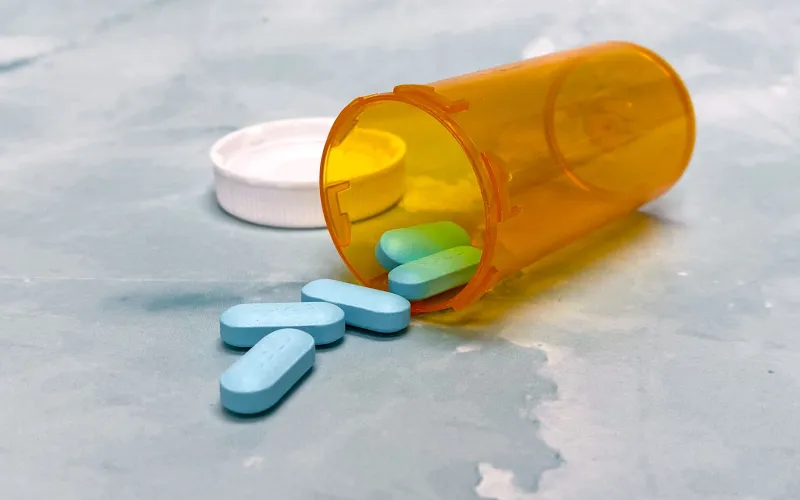
Photo by Photo by Navy Medicine on Unsplash on Unsplash
Labels are instructions, not suggestions
A prescription label is written for a reason. The directions on the bottle reflect how a drug was studied, how it is absorbed, and how it should be taken to reduce the chance of avoidable side effects. Yet patients often read those directions quickly and fit them into an existing routine. Breakfast becomes a loose concept. Bedtime becomes whenever the lights go out. Every eight hours becomes three times a day, more or less.
For some medications, that flexibility is harmless. For others, it can change how much drug reaches the bloodstream or how the body handles it. At Drugs.site, the practical point is not to make every label sound fragile. It is to help readers recognize which directions deserve a second look and which questions are worth asking before the first dose.
With food: not always about stomach upset
Take with food is one of the most common directions in U.S. pharmacy practice. It may be written to reduce nausea, but it can also serve a pharmacokinetic purpose. Food can slow stomach emptying, change stomach acid, or affect how a drug is dissolved and absorbed. For some products, a meal improves absorption; for others, a meal delays it or reduces peak blood levels.
The phrase with food is also less precise than it sounds. Does it mean a full meal, a snack, or a glass of milk? Some labels specify a meal or a particular fat content. Others leave the decision to the patient. If the direction is central to the drug's effectiveness, ask the pharmacist what counts as adequate food and whether the timing relative to the meal matters. A drug that should be taken within 30 minutes after a meal is not the same as one that can be taken with a morning cracker.
On an empty stomach: a narrower window
Empty stomach directions usually mean taking the medication at a defined interval before or after eating. The exact interval varies by product. One drug may require taking it one hour before a meal or two hours after; another may specify two hours before or one hour after. The difference is not arbitrary. Food can reduce absorption of some drugs enough to matter, and a label that says empty stomach is trying to preserve a predictable exposure level.
Coffee, juice, and dairy can complicate the picture. Some beverages affect drug absorption directly, and some interact with specific medications. Water is usually the safest default unless the label or pharmacist says otherwise. If a patient cannot manage the empty-stomach window because of work, school, or another medication schedule, that is a conversation for the prescriber or pharmacist, not a reason to improvise silently.
At bedtime: a timing direction with several meanings
Bedtime can mean several things. It may be chosen because the drug causes drowsiness and the patient should not drive after taking it. It may be tied to a biological rhythm, such as a cholesterol medication that works better when taken in the evening. It may also reduce nausea or other side effects by placing the dose during sleep.
Patients should not assume that bedtime is simply a convenient label. If the drug is sedating, taking it at midnight and waking at five may still leave impairment. If the drug is a diuretic, bedtime may be the wrong choice for sleep even if the label says evening. The better question is what the prescriber intended by bedtime: a clock time, a phase of sleep, or a relationship to dinner. A pharmacist can often clarify whether the timing is flexible.
Every eight hours is not the same as three times daily
Every eight hours means a fixed interval around the clock. Three times daily often means three doses spread across waking hours. For drugs that need steady blood levels, such as some antibiotics or seizure medications, the distinction matters. A patient who takes a dose at 7 a.m., noon, and 5 p.m. has compressed three doses into ten hours, not twenty-four. That schedule may not maintain the intended exposure overnight.
Some labels use every eight hours because the drug has a short half-life or because the therapeutic window is narrow. Others use three times daily because the exact spacing is less critical. The label wording is the clue. When a schedule conflicts with sleep, work, or caregiving, ask whether the interval can be adjusted and what to do about a missed dose. Do not double up unless the pharmacist or prescriber specifically says to.
Why absorption and side effects are connected
Absorption is the step between swallowing a tablet and having drug available in the bloodstream. Food, stomach pH, transit time, and the formulation of the product can all influence that step. A delayed-release tablet, for example, is designed to release medication at a certain point in the digestive tract. Crushing it or taking it with a large meal may change the intended release pattern.
Side effects can follow the same logic. A drug taken on an empty stomach may reach a higher peak concentration and cause more nausea or dizziness. A drug taken with food may have a lower peak but more consistent exposure. Neither pattern is universally better. The label reflects the balance that was studied for that product.
Questions to ask a pharmacist
A short conversation at the pharmacy counter can resolve most ambiguity. Useful questions include:
- Does with food mean a full meal, a snack, or any food at all?
- How strict is the empty-stomach window, and what should I do if my meal schedule changes?
- Is bedtime a clock time or a relation to sleep?
- If the label says every eight hours, can I shift the schedule, and what counts as a missed dose?
- Should I avoid dairy, grapefruit, alcohol, or any other beverage with this medicine?
- What should I do if I forget a dose or take it at the wrong time?
The pharmacist can also check whether the directions interact with other prescriptions, supplements, or known food allergies. Patients should bring a current medication list, including over-the-counter products, to that conversation.
When to call rather than guess
A label instruction deserves a call when the drug has a narrow dosing window, when the patient has missed doses repeatedly, or when the direction conflicts with a medical condition or another medication. It also deserves a call when the patient is unsure whether a side effect is related to food or timing. U.S. pharmacies are equipped to answer these questions, and a brief clarification is safer than a workaround that becomes a habit.
The larger point is simple. Food and timing directions are part of the prescription, not decorative text on the bottle. Reading them carefully, asking about the ambiguous ones, and following a consistent routine turns a label into a safer medication practice.